How to teach music at home to a 3-year-old (no music background needed)
Sample article for the demo
Three is a wonderful age to start music. Children this age are learning language at an amazing speed, and music is learned the same way: by hearing it, moving to it and playing with it every day. You don’t need to read music to help. You need a few simple materials and a routine.
1. Start with listening
Before a child plays, they listen. Sing short songs together, play two different sounds and ask “Which one is higher?”, or tap a pattern on the table and let your child copy it. These small games train the ear, which is the foundation for everything that follows.
2. Find the beat
Clap, march or tap a drum along with a song. A steady beat is the first rhythm skill, and children who feel it in their body find reading rhythm much easier later on.
3. Match and name sounds
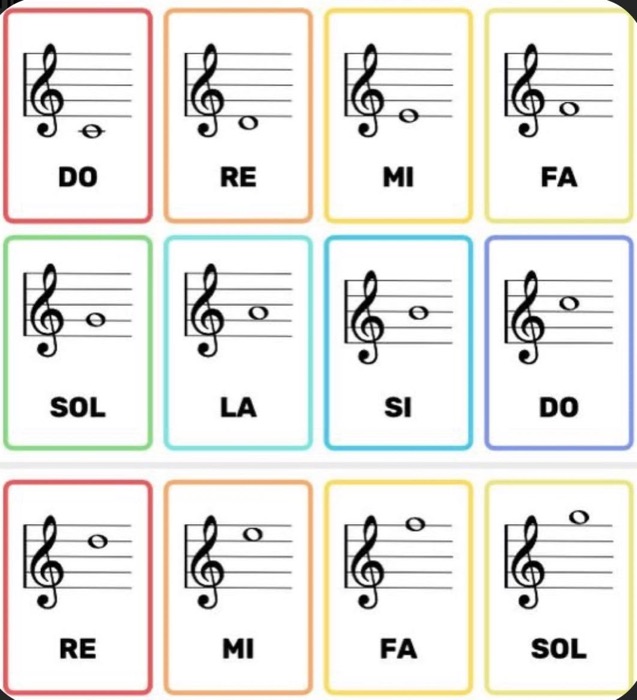
This is the heart of Montessori music. With the Montessori bells, children first find two bells that sound the same (pairing), then put bells in order from low to high (grading), and only then learn the names of the notes (naming). At home you can follow the same order with a keyboard and color-note cards.
4. A 15-minute daily routine
- 3 minutes: a song you sing together
- 4 minutes: a beat game with clapping or marching
- 5 minutes: a matching activity with cards or keys
- 3 minutes: free play on the instrument
Keep it short and stop while your child is still having fun. Repetition over many days matters more than long sessions.
Materials that help
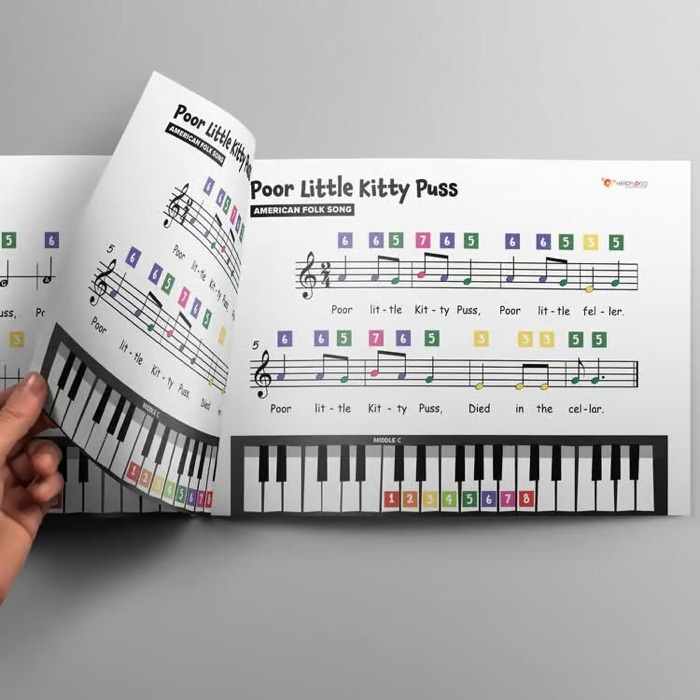
A small keyboard, a set of note name flash cards and a beginner songbook are all you need. For a ready-made start, the 5 free easy piano pieces include a parent guide.
Piano and guitar teacher in Davie, FL and creator of More Than Bells Montessori music materials.